Natural Sapphire Wholesale
Precious Gem Imports supplies natural sapphires to jewellers, jewellery designers and retailers throughout New Zealand and Australia. Our Auckland inventory includes Ceylon (Sri Lankan), Madagascan, Thai and Australian material, in blue, fancy colours and parti, both heated and unheated, with laboratory reports where the stone warrants one.
We are a trade-only supplier. We do not sell to the public and we do not compete with our clients at retail.
Current inventory
Browse natural sapphire inventory
We stock over 500 individual sapphires & parcel lots. Everything in our catalogue is located in New Zealand. We do not list stones held overseas. Registered trade clients can view live stock, with images, videos, dimensions, origin, treatment status and certification, through the trade portal.
Apply for trade access
Trade registration requires evidence of a jewellery, retail or design business. We verify every application.
What we supply
Blue Sapphires
The core of the inventory. Sri Lankan and Madagascan material across the full range of tone and saturation, from open cornflower blues through to deep royal blues. Sizes from melee through to significant single stones.
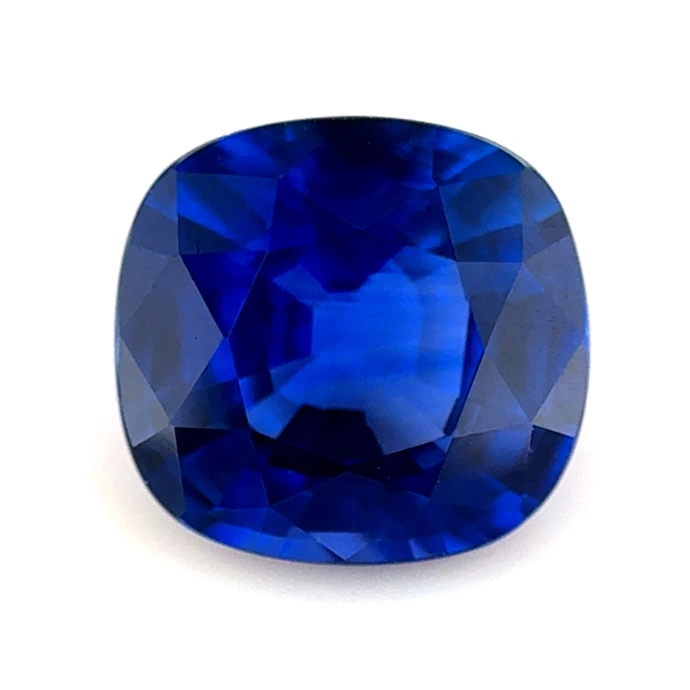
4.02ct Vivid Blue Sapphire
Bellerophon Certified, Madagascar
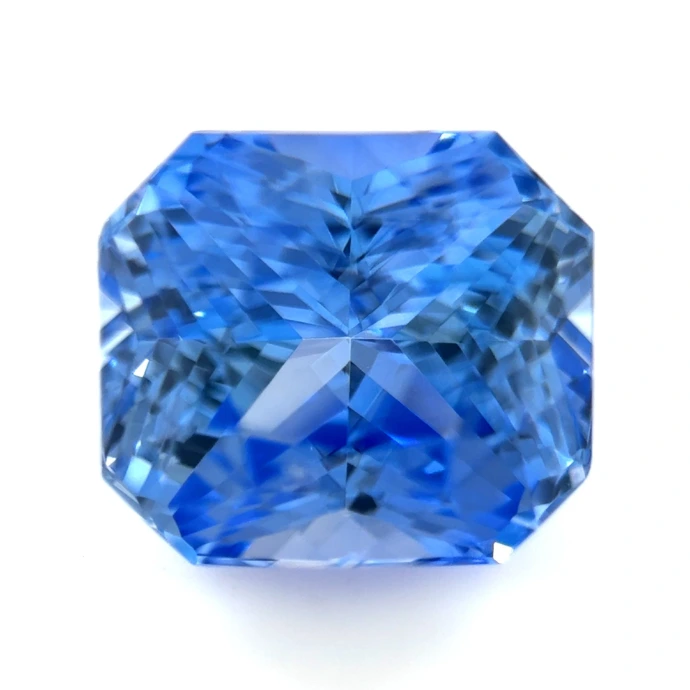
1.95ct Light Blue Sapphire
Non-Certified, Sri Lanka
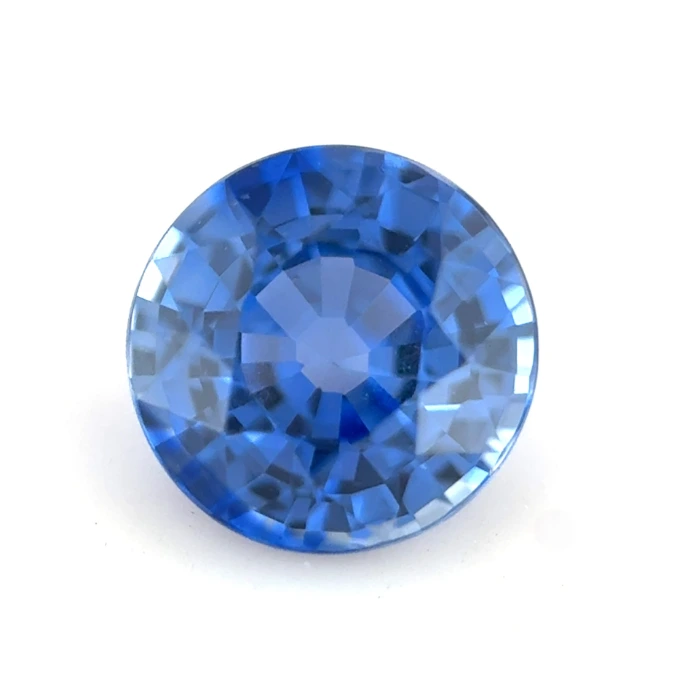
0.90ct Blue Sapphire
Non-Certified, Sri Lanka
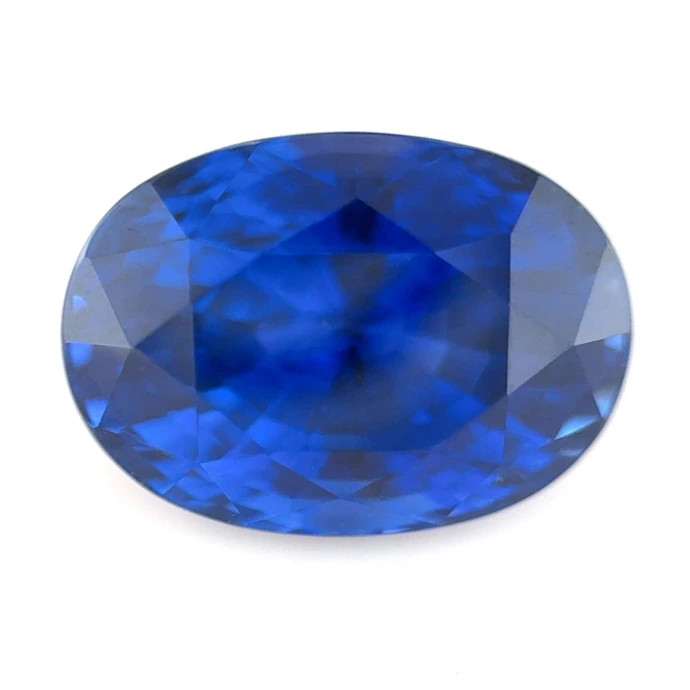
GRS Certified, Sri Lanka
Green & Teal Sapphires
Predominantly unheated Madagascan, with some Thai & Australian Green Sapphires. Strong demand in the New Zealand and Australian bespoke market, particularly for engagement work where clients want a stone with regional identity.
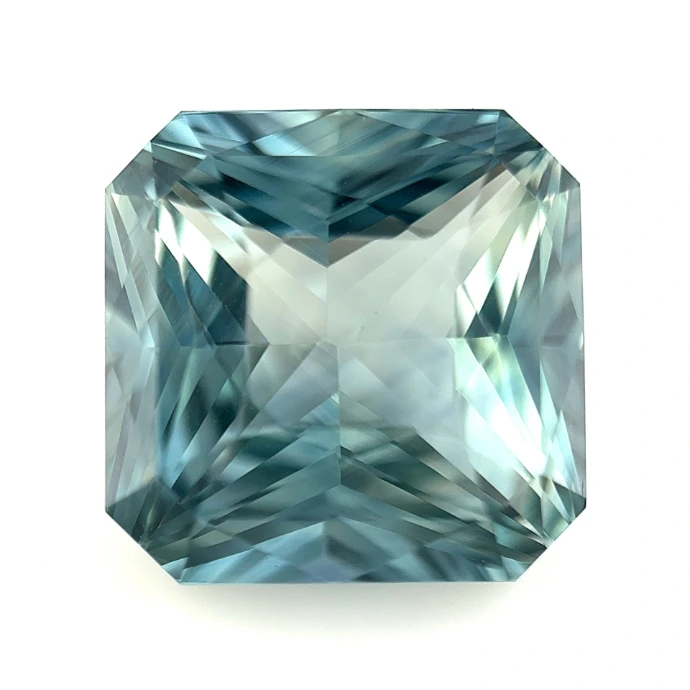
5.01ct Light Teal Sapphire
GIC Certified, Madagascar
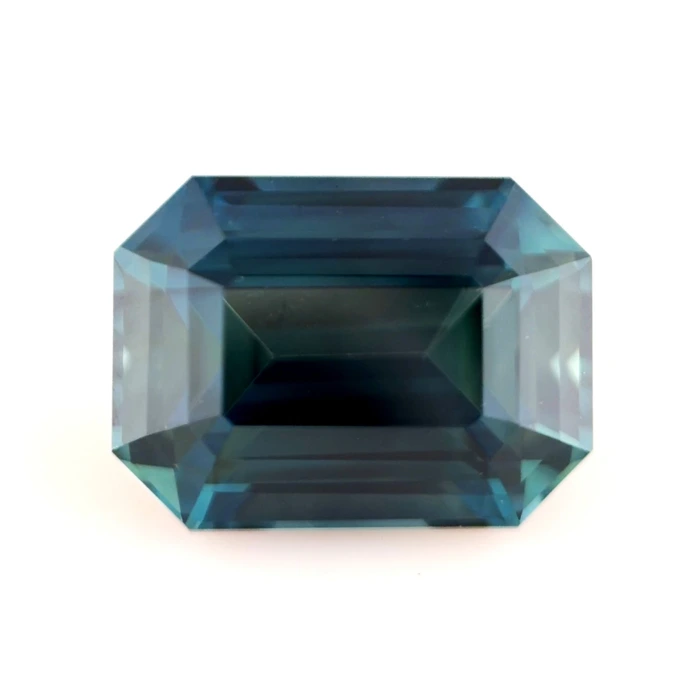
2.65ct Teal Sapphire
GIC Certified, Madagascar
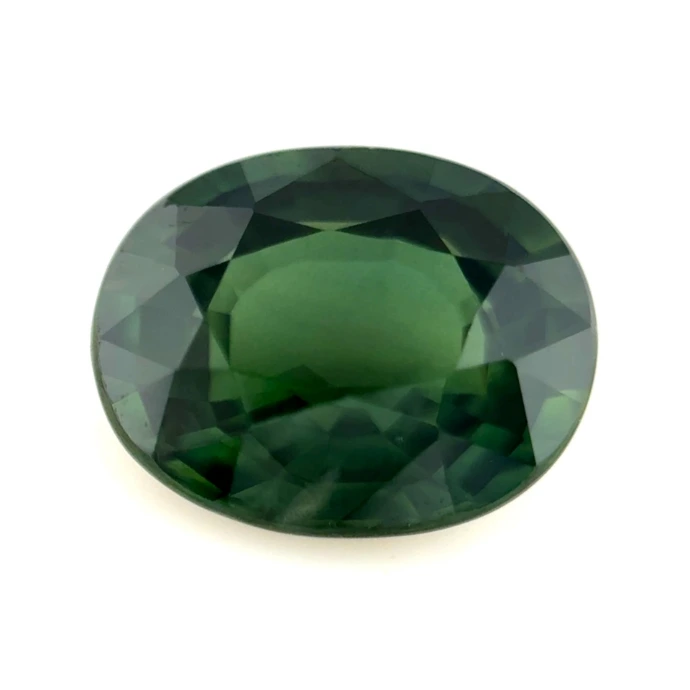
1.05ct Green Sapphire
Non-Certified, Thailand
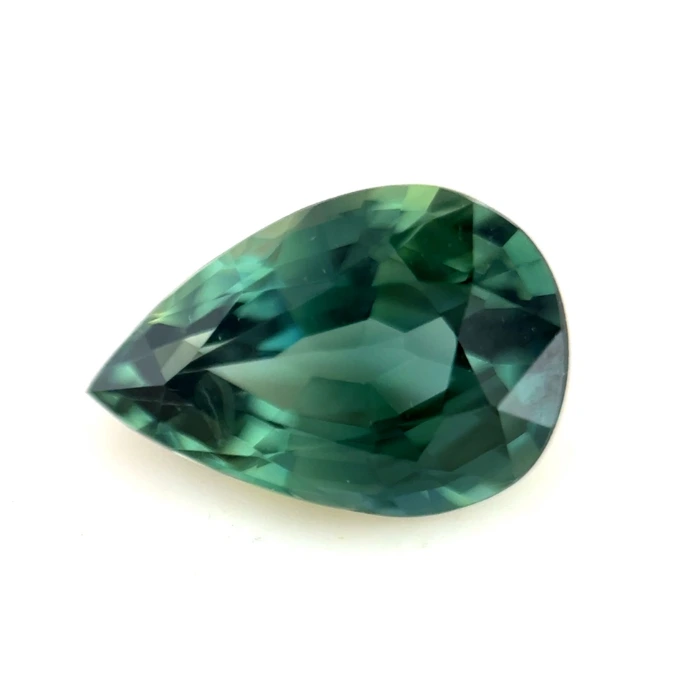
0.81ct Green Sapphire
Non-Certified, Australia
Peach & Padparadscha Sapphires
Sri Lankan & Madagascan unheated, heated & certified stones in light apricot to warm peach hues. We only describe a stone as padparadscha when a laboratory has made that call, and we will tell you which one. Everything else in this colour range we call peach.
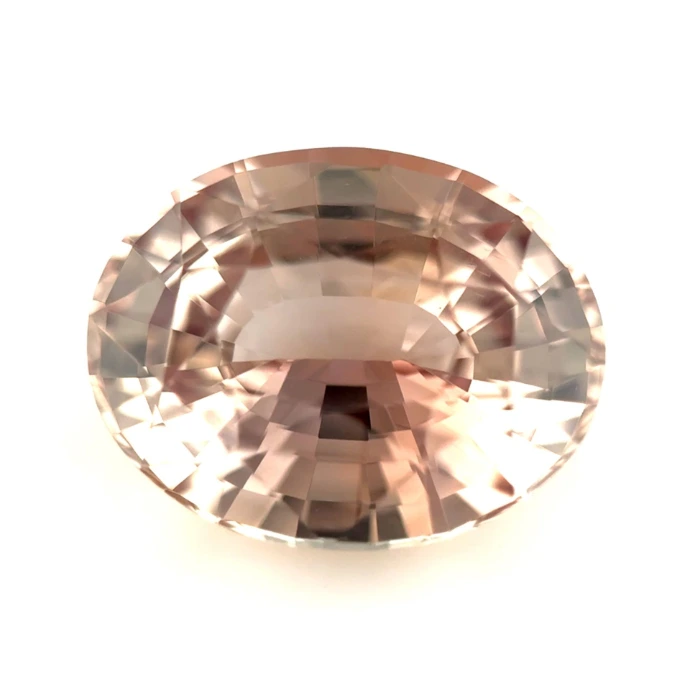
3.14ct Peach Sapphire
Guild Certified, Sri Lanka
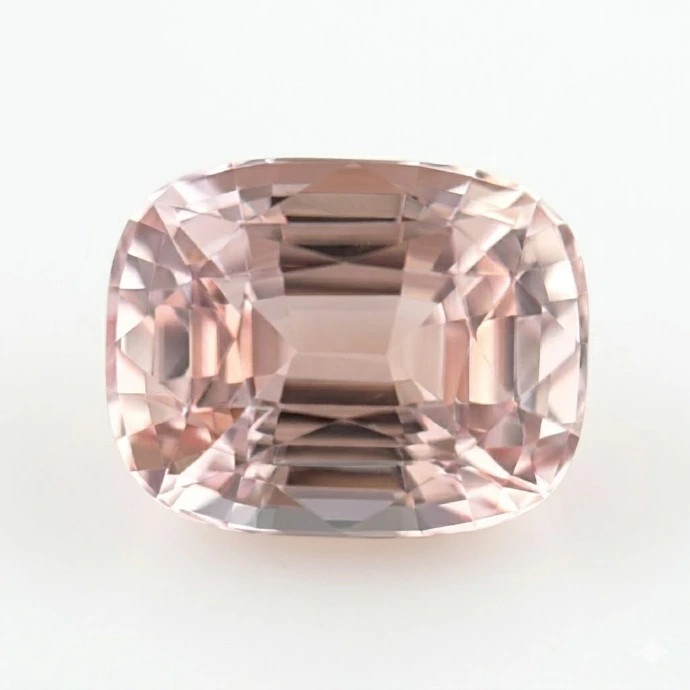
1.77ct Peach Sapphire
AGTL Certified, Sri Lanka
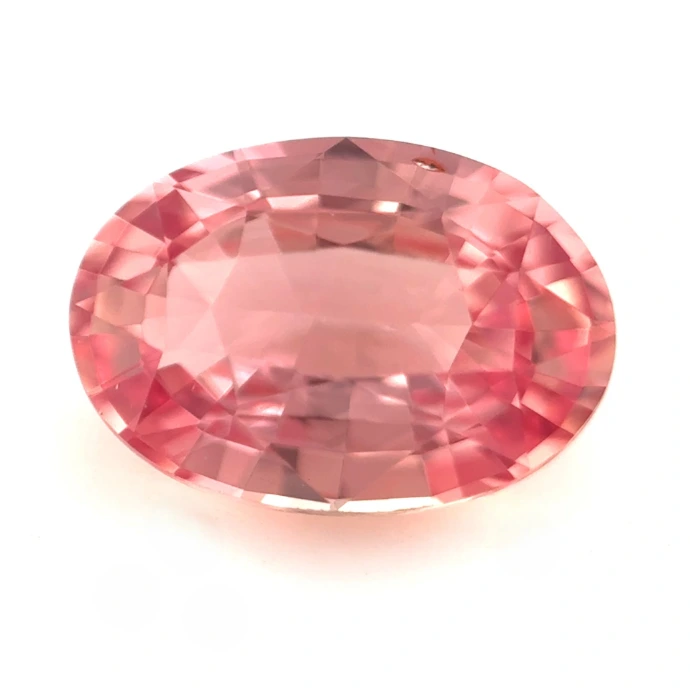
1.03ct Padparadscha Sapphire
GIC Certified, Madagascar
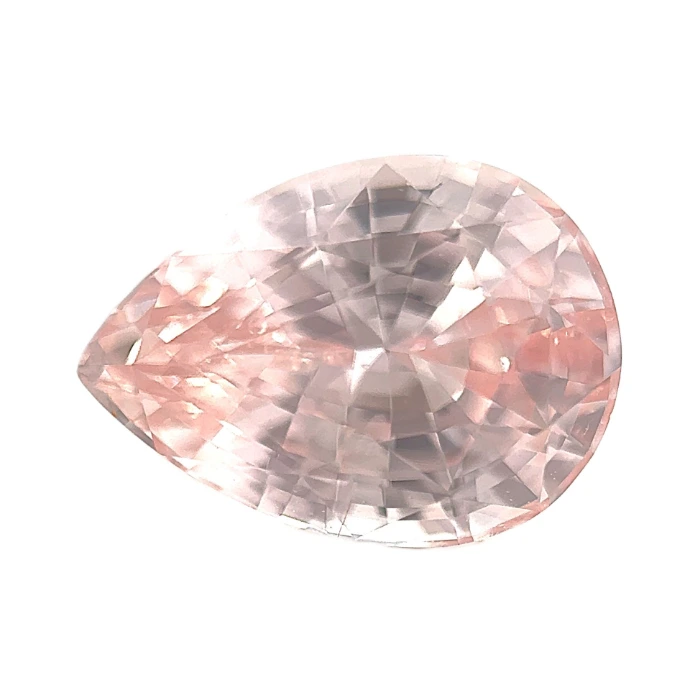
1.40ct Peach Sapphire
Non-Certified, Sri Lanka
Fancy Colour Sapphires
Pink, purple, violet, yellow, golden, brown and colour-change material. Fancy sapphire has done more for New Zealand bespoke work in the last decade than any other category.
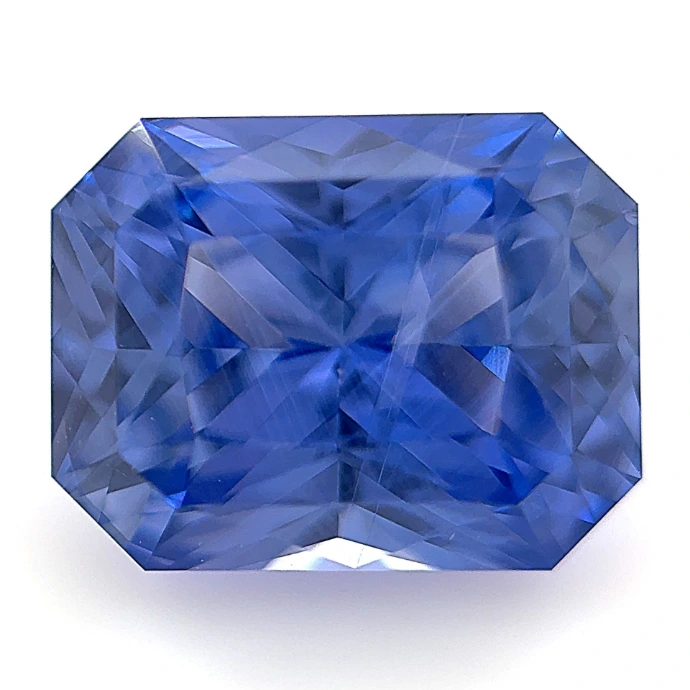
3.08ct Violet Sapphire
GIC Certified, Sri Lanka
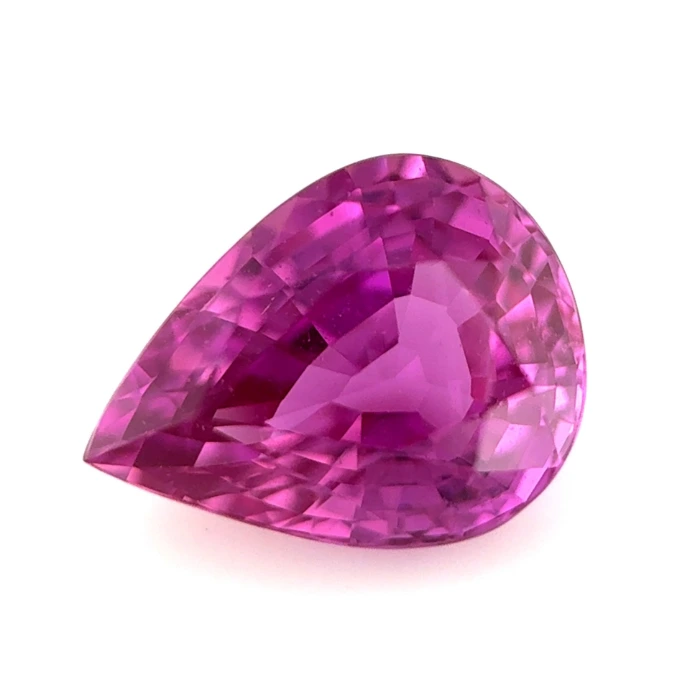
2.93ct Pink Sapphire
AIG Certified, Madagascar
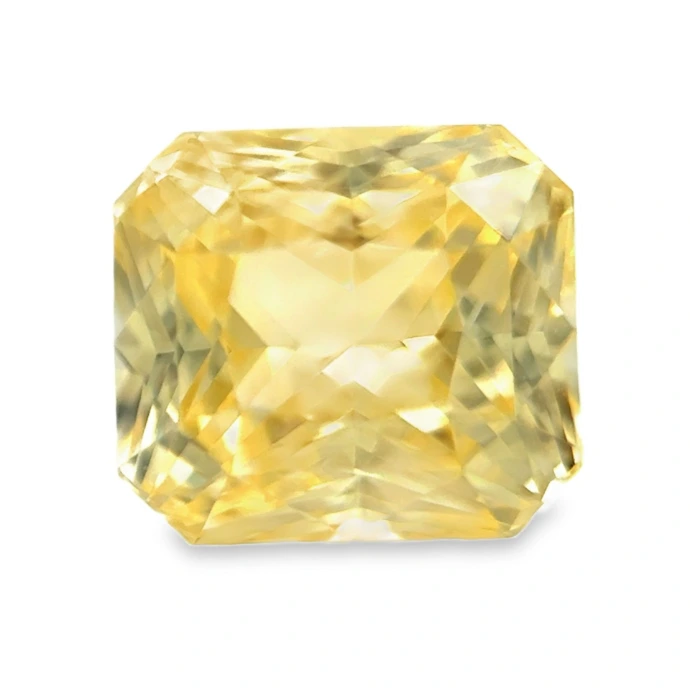
2.12ct Yellow Sapphire
GIC Certified, Sri Lanka
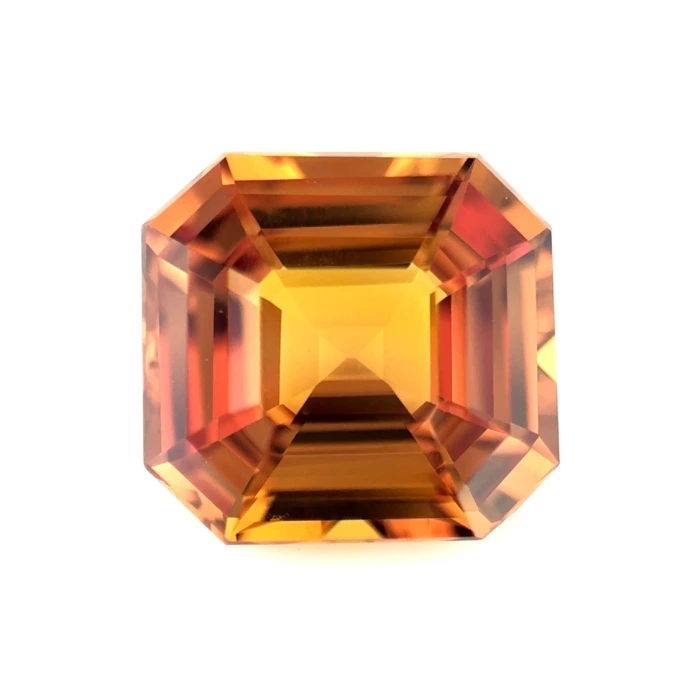
2.01ct Fancy Sapphire
Guild Certificate, Madagascar
Parti-Colour Sapphires
Our range of highly unique Parti sapphires are predominantly from Madagascar. They offer bespoke clients a truly unique, one-off piece. Many are unheated showing two to three colours.
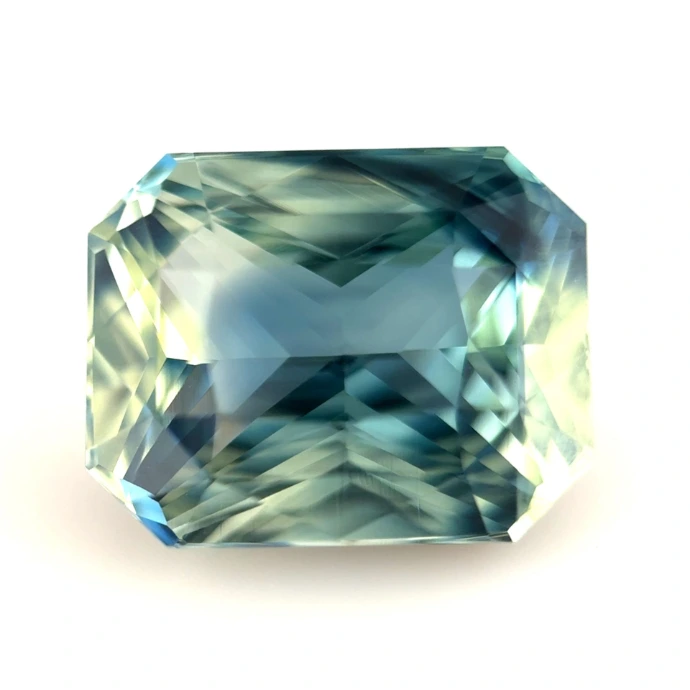
3.34ct Parti Sapphire
AGTL Certified, Madagascar
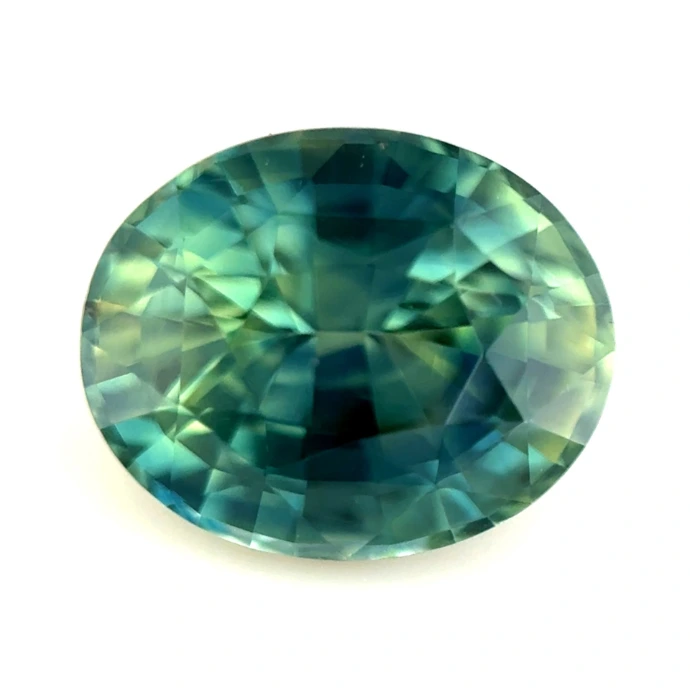
1.87ct Parti Sapphire
AIG Certified, Madagascar
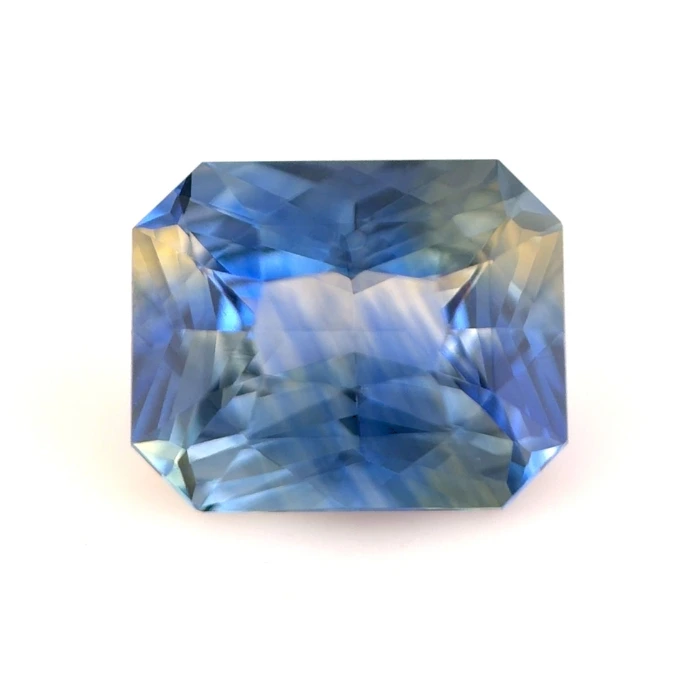
1.75ct Parti Sapphire
GIC Certified, Madagascar
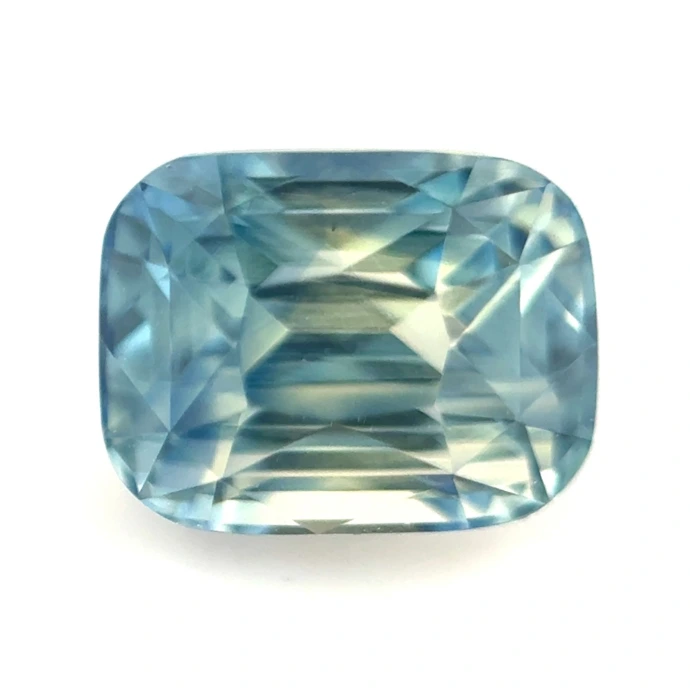
2.06ct Parti Sapphire
GIC Certified, Sri Lanka
Where our sapphires come from
Sri Lanka (Ceylon). The Ratnapura, Elahera and Balangoda fields have supplied the trade for centuries. Sri Lankan sapphire is typically alluvial, often lighter in tone with high transparency and good brilliance, and the traditional geuda material forms the basis of much of the world's heated blue supply. Ceylon remains the benchmark against which most fine blue sapphire is judged.
Madagascar. Ilakaka has produced sapphire since the late 1990s that is geologically and gemmologically close to Sri Lankan material, to the point that origin determination is sometimes inconclusive even at the major laboratories. Andilamena and Bemainty have contributed heavily to the unheated blue supply. Heated and unheated greens and parti-colours are in strong demand.
Australia. New South Wales (Inverell, Glen Innes) and Central Queensland (Anakie, Rubyvale). Basalt-related material, typically strongly saturated, often with blue, green and yellow zoning.
Thailand. Chanthaburi. Rich green sapphires did hail from these mines but the supply is mostly exhausted now. Some basalt-related sapphires are still sourced in Thailand.
We buy our sapphires in Bangkok & Sri Lanka and hold long-standing relationships with respected and established cutters and dealers in each.
We do not buy from unsolicited sellers, online social media accounts, street traders or unvouched sources.
How we source and select
The business was founded in 1990 by Paul Thavat and now runs into a fourth generation of family involvement in the gemstone trade. Co-Director Joy Thavat holds the FGA (Gem-A) Gemmology Diploma with GAA diamond grading qualifications.
Selection is done in person. We look at parcels in Bangkok and Colombo, we reject far more than we buy, and we buy against exceptionally high standards that we have honed over time. In practice that means:
- Face-up performance in mixed lighting, not a single controlled light source
- Cut quality assessed for the finished piece, not for the certificate
- Clarity characteristics judged for durability at the setting bench, not only for appearance
- Treatment status established before purchase, not afterwards
Treatments
Assume a sapphire is heated unless a laboratory says otherwise. That is the trade's default position and it is the correct one. Around 95% of our blue stock is heated. Heat is stable, permanent, and has been applied to Sri Lankan material for a thousand years. A heated sapphire is a natural sapphire.
Two treatments in the sapphire category need closer attention. Flux-assisted heating (though more common in ruby) can leave residue in surface-reaching fissures, which laboratories report separately from clean heating and which matters at the bench, because some residues do not survive torch work. Beryllium diffusion produces vivid orange, yellow and padparadscha-like colours and is the reason certification is not optional in the peach and padparadscha category.
We disclose the treatment status of every stone we supply, and the obligation follows the stone down the chain to your client.
Laboratory reports
A certificate does not make a sapphire a better stone. It answers a specific question, and it is worth commissioning when the answer materially changes the price.
For sapphire, that means three situations. The stone is represented as unheated and the premium depends on that being provable. Origin carries a premium, typically Ceylon, Burmese or Kashmir blue. Or the stone is being sold as padparadscha, where the laboratory's opinion is effectively the product.
We hold reports from GRS, Gübelin, SSEF, Lotus, AIGS, Bellerophon, GIC, AGTL and Guild Beruwala and more. We also work to a tiered approach: a fine unheated stone goes to a top-tier laboratory, a mid-market stone to a well-regarded regional one, and a commercial stone often goes uncertified because the report would cost a meaningful share of its value. As gemmologists we can supply an in-house report on request.
Ceylon vs Madagascan Sapphires: Which to buy
For most commissions, the honest answer is that the better stone wins regardless of origin.
Ilakaka material can be gemmologically indistinguishable from Sri Lankan, and reputable laboratories will occasionally return an inconclusive origin opinion between the two. Where the client is paying specifically for the Ceylon name, buy Ceylon and buy it with a report. Where the client is paying for the stone in front of them, Madagascan material frequently delivers more colour and more life for the same money.
Australian sapphire is a separate proposition. It is darker and more strongly zoned, and its appeal is regional identity and parti colour rather than a comparison with Ceylon blue.
How to assess a sapphire before you commit
For jewellers buying on approval, in order of what most often costs money:
Extinction and windowing. Tilt the stone. Native cutting frequently retains weight at the expense of the pavilion, and a stone that reads well in the tweezers can go dark or transparent face-up in a ring.
Colour under two light sources. Assess under daylight-equivalent and incandescent. Many sapphires shift, some considerably. Your client will see the stone in both.
Zoning. Look through the table and through the side. Straight or angular colour banding that is invisible face-up in a loose stone can become obvious once the stone is set against metal.
Girdle and setting risk. Surface-reaching feathers at the girdle are where stones break at the bench. Check before you quote, not after.
Calibration. Measure it yourself. Millimetre dimensions govern whether it sets, not carat weight.
Matching. For pairs and suites, assess them face-up together in the intended orientation under bright lighting. Check the crown heights are the same and tables and depths are roughly the same.
Buying for a jewellery commission
Most of our New Zealand and Australian trade is bespoke. That work has its own rhythm and we are set up for it.
- Approval (appro). Stones go out on approval so your client can see them in person. Request multiple stones. Return what does not suit. (NZ only)
- Selections against a brief. Give us the budget, the finished dimensions, the colour direction and the deadline, and we will assemble a selection rather than send a catalogue.
- Options at three price points. We will usually send a stone below, at, and above budget. Clients decide better with a comparison in front of them.
- Trade pricing in NZD or USD. Multi-currency pricing with NZD available to New Zealand clients.
Frequently asked questions
Do you sell to the public?
No. We supply the trade only, in New Zealand and Australia. If you are a retail customer, we will refer you to a jeweller who can source through us.
Can I get a sapphire on approval?
Yes. Approval is our standard supply model for trade clients in New Zealand. For Australia we are unable to offer this service at this time but can offer detailed photos, videos and stone assessments.
Can you source a specific sapphire?
Yes. We buy in Bangkok and Colombo several times a year and take specific briefs from clients between trips.
Are your sapphires natural?
Yes. Everything we supply is natural, mined sapphire. We do not carry synthetic corundum.
Are your sapphires heated?
Around 95% of our blue stock is heated with non-blue stock carrying more unheated material. Heating is considered standard treatment with sapphires and most sapphires are considered to be heated by default unless verified as unheated by a laboratory.
Are your padparadscha sapphires certified?
Yes. We do not describe a stone as padparadscha without a laboratory report, and we will tell you which laboratory made the call. Stones in the same colour range without a report are described as peach.
Do your sapphires come with certificates?
Where the stone warrants one. We hold reports from GRS, Gübelin, SSEF, Lotus, AIGS, AIG, Bellerophon, GIC, AGTL & Guild Beruwala. As gemmologists, we can also supply an inhouse stone report on request.
Do you supply calibrated and matched stones?
Yes, including matched pairs, suites and calibrated goods for production runs.
Do you sell beryllium-diffused sapphires?
Not without explicit disclosure and pricing that reflects it. Diffusion-treated stones are legal and saleable, but they are a different product from natural-colour material and should never be priced as one.
Related Reading
From the Source, our trade journal:
- The Two Sapphire Types, on the difference between Basalt & Metamorphic Sapphires and why one costs considerably more.
- Older Than The Stone Age, on the astounding age of natural gemstones, including sapphire.
- Lab Grown vs Natural Sapphires, on what the marketing doesn't tell you.